Why Identifying Real Alphonso Matters
Every mango season, the Indian market is flooded with mangoes falsely labeled as "Alphonso" or "Hapus." Some estimates suggest that up to 70% of mangoes sold as Alphonso in major cities are either different varieties or artificially ripened Alphonso that has lost its signature qualities.
At Aamrit, we've been growing Alphonso on our family farms in Ratnagiri and Raigad since 1985 — generations of knowledge in every harvest. Here's what our mango farmers have taught us about identifying the real thing.
1. The Aroma Test (Most Reliable)
Real Alphonso: Has a strong, intoxicating floral-fruity aroma that you can smell from several feet away. The fragrance is sweet, complex, and distinctly tropical.
Fake/Carbide-ripened: Little to no aroma, or a faint chemical smell. Artificially ripened mangoes never develop the aromatic compounds that form during natural ripening.
Pro tip: Ask the seller if you can smell the mango before buying. Real Alphonso doesn't need you to put it to your nose — the aroma reaches you.
2. The Skin Color Pattern
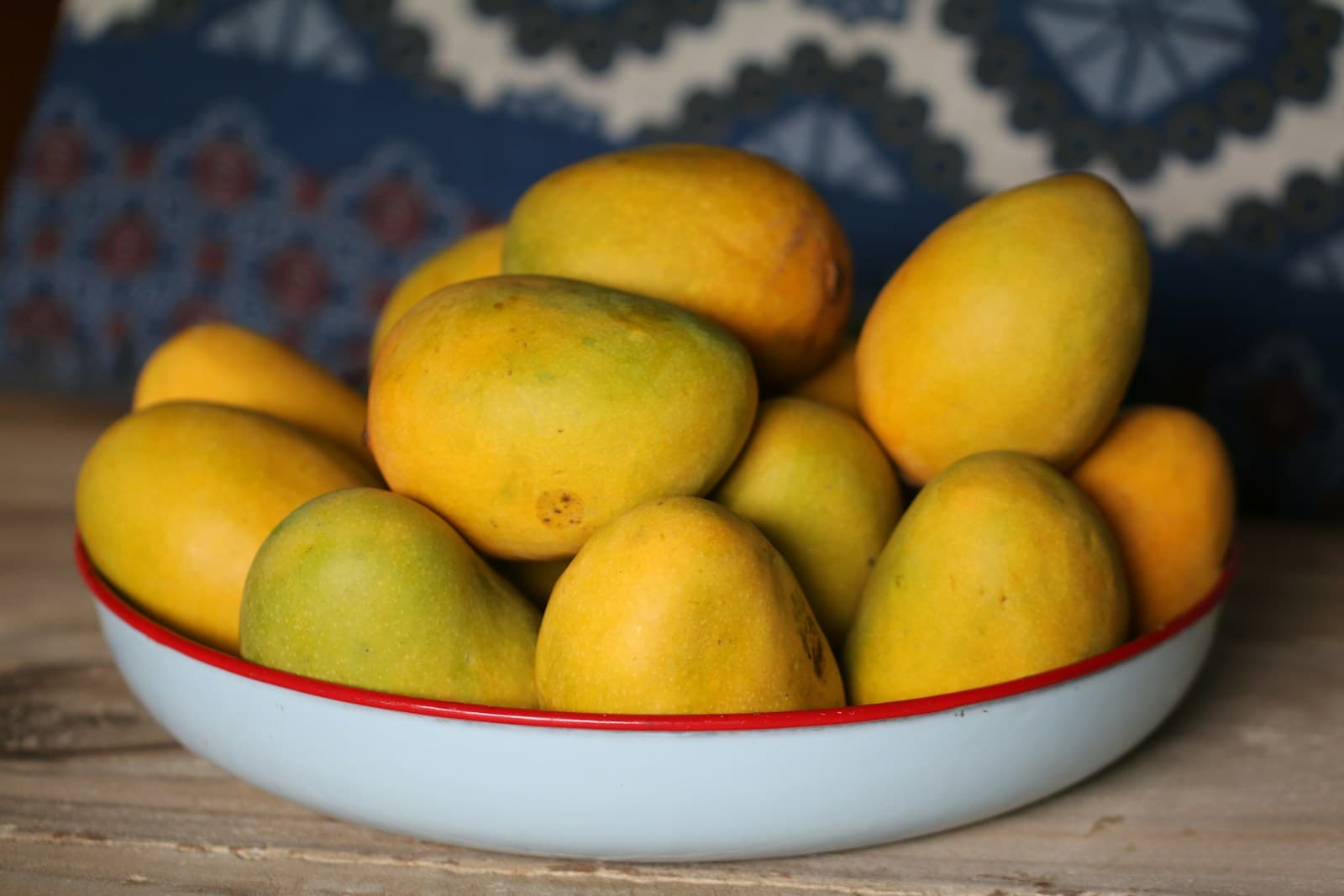
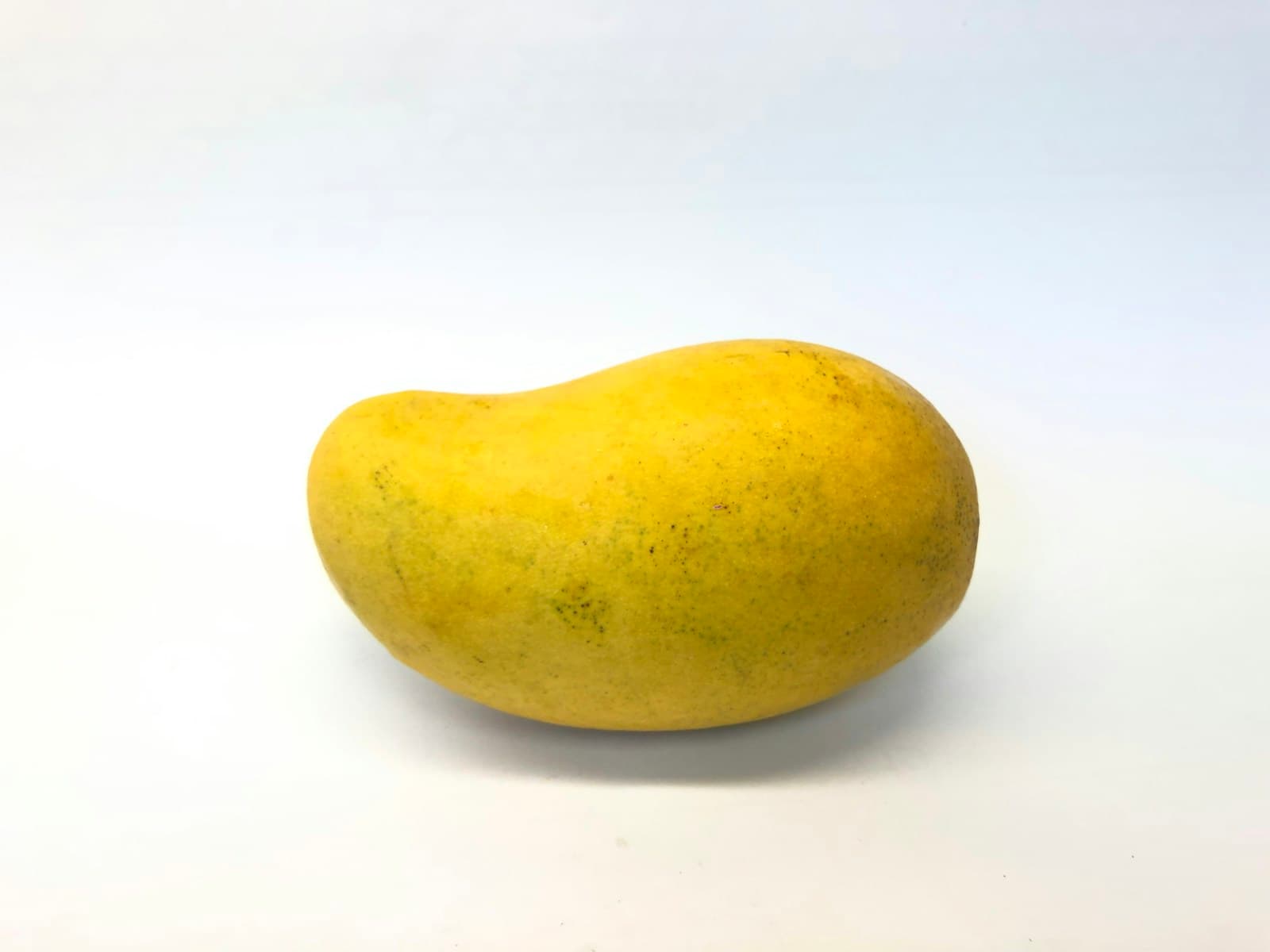
Real Alphonso: Uneven ripening with patches of green, yellow, and orange. The shoulder (top) ripens first, creating a gradient. Natural sunspots and small brown freckles are common.
Fake/Carbide-ripened: Uniform bright yellow all over. Too perfect, too consistent. Carbide ripens the entire surface at once, eliminating the natural gradient.
3. The Shape and Size
Real Alphonso: Oval to oblong shape, slightly flat on the sides. Typically 150-300 grams depending on the grade (A1, A2, A3). Has a distinctive "beak" at the bottom.
Fake varieties often sold as Alphonso:
- Badami (more round, larger)
- Kesar (more yellow, different texture)
- Totapuri (more elongated, pointed)
4. The Texture Test
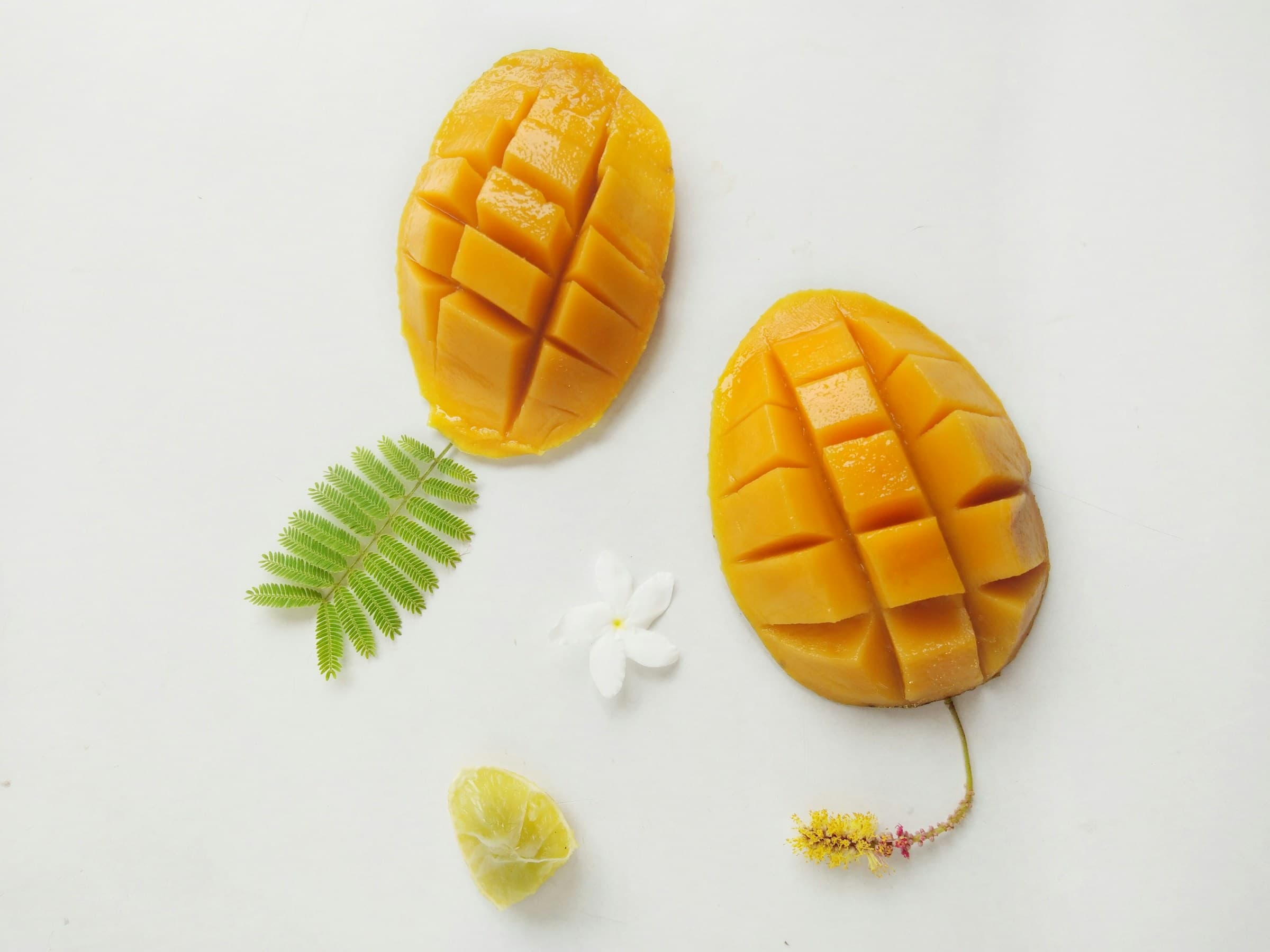
Real Alphonso: The skin is thin and delicate. When you press gently, it should give slightly if ripe but spring back. The flesh inside is completely fiber-free and buttery smooth.
Fake/Carbide-ripened: Often the skin remains firm even when the inside appears ripe. The flesh may have fibers or a grainy texture.
5. The Taste Profile
Real Alphonso: Complex sweetness with honey and citrus notes. No tartness or sourness. The aftertaste is clean and sweet, lingering pleasantly.
Fake/Carbide-ripened: One-dimensional sweetness or slight bitterness. May have a metallic aftertaste (a sign of carbide). The flavor doesn't linger.
6. Check the Source
Genuine Alphonso only comes from:
- Ratnagiri district
- Sindhudurg district
- Raigad district
- Parts of Konkan region
If a seller can't tell you which specific region (or better, which village) the mangoes are from, be suspicious. At Aamrit, every box can be traced to the exact plot in our Ratnagiri or Raigad farms.
7. The Price Reality Check
Real Alphonso (2026 prices):
- Grade A1 (Premium): ₹1,200-1,800 per dozen
- Grade A2 (Classic): ₹800-1,200 per dozen
- Grade A3 (Budget): ₹500-800 per dozen
If someone is selling "Alphonso" for ₹300-400 per dozen, it's almost certainly not genuine Ratnagiri Alphonso. The cost of cultivation, natural ripening, and proper handling simply doesn't allow for such low prices.
The GI Tag: Your Ultimate Guarantee
Alphonso mango has a Geographical Indication (GI) tag from the Government of India, meaning only mangoes grown in specific regions of Maharashtra can legally be called Alphonso. Look for:
- GI certification on the packaging
- Farm details and traceability information
- Direct farm-to-consumer brands like Aamrit
Summary: Quick Checklist
✅ Strong floral aroma (smell from distance)
✅ Uneven color with natural gradient
✅ Oval shape with distinctive beak
✅ Fiber-free, buttery flesh
✅ Complex, lingering sweetness
✅ Traceable to Ratnagiri/Raigad/Sindhudurg
✅ Price matches market reality
When you find a mango that passes all these tests, you've found the real King of Mangoes. And trust us — once you've tasted genuine, naturally-ripened Alphonso, you'll never settle for anything less.
Want guaranteed authentic Alphonso delivered to your door? Shop our farm-fresh mangoes — every fruit traceable to our 22,000+ trees across Ratnagiri and Raigad.
Filed under
real alphonso mango · how to identify alphonso · genuine hapus mango · ratnagiri alphonso tips · fake mango identification
From our orchards
Taste the real Alphonso.
Farm-fresh, naturally ripened, delivered across India. Every mango traceable to our 22,000 trees in Ratnagiri & Raigad.
Visit the shop