The Hidden Danger in Your Mango Basket
Every summer, millions of Indians unknowingly consume mangoes ripened with calcium carbide — a chemical that's technically banned in India under the Food Safety and Standards Act, yet remains widely used because it ripens fruit overnight, saving traders time and money.
At Aamrit, we've never used carbide. Not once in our 18 years of farming. Here's why this matters for your health, and what we do instead.
What is Calcium Carbide?
Calcium carbide (CaC₂) is an industrial chemical primarily used for welding. When it comes in contact with moisture, it releases acetylene gas, which artificially triggers the ripening process in fruits.
The problem: Acetylene gas is not the same as ethylene — the natural ripening hormone that fruits produce. And carbide often contains traces of arsenic and phosphorus hydride, both of which are toxic to humans.
Health Risks of Carbide-Ripened Mangoes
Immediate Effects
- Headaches and dizziness
- Nausea and vomiting
- Burning sensation in chest and abdomen
- Tingling in hands and feet
Long-term Exposure
- Neurological damage
- Memory impairment
- Liver and kidney damage
- Potential carcinogenic effects (arsenic exposure)
A 2019 study published in the Journal of Food Science and Technology found detectable levels of arsenic in 34% of carbide-ripened mangoes tested across Indian markets.
How to Spot Carbide-Ripened Mangoes
| Sign | Carbide-Ripened | Naturally Ripened |
|---|---|---|
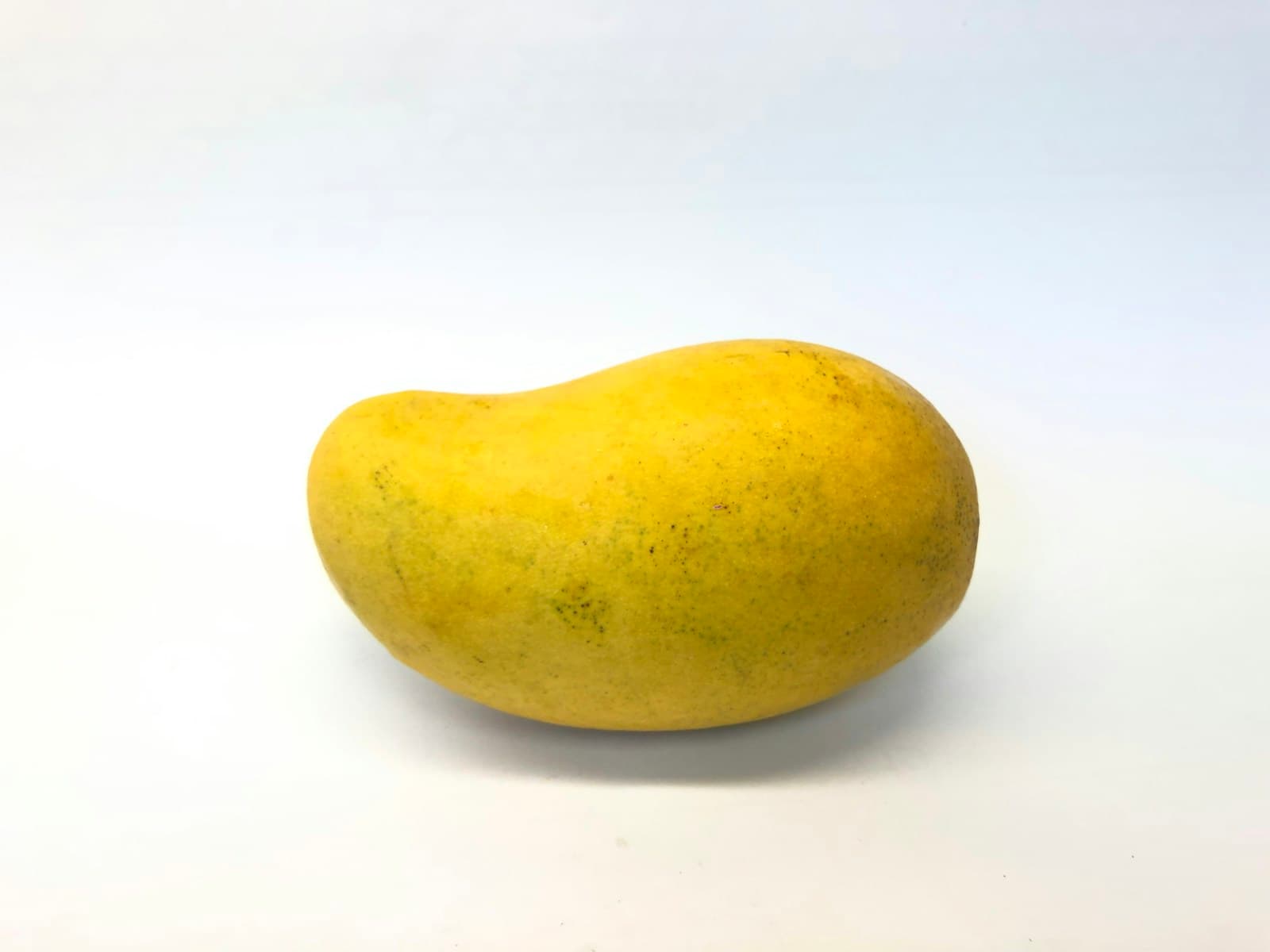
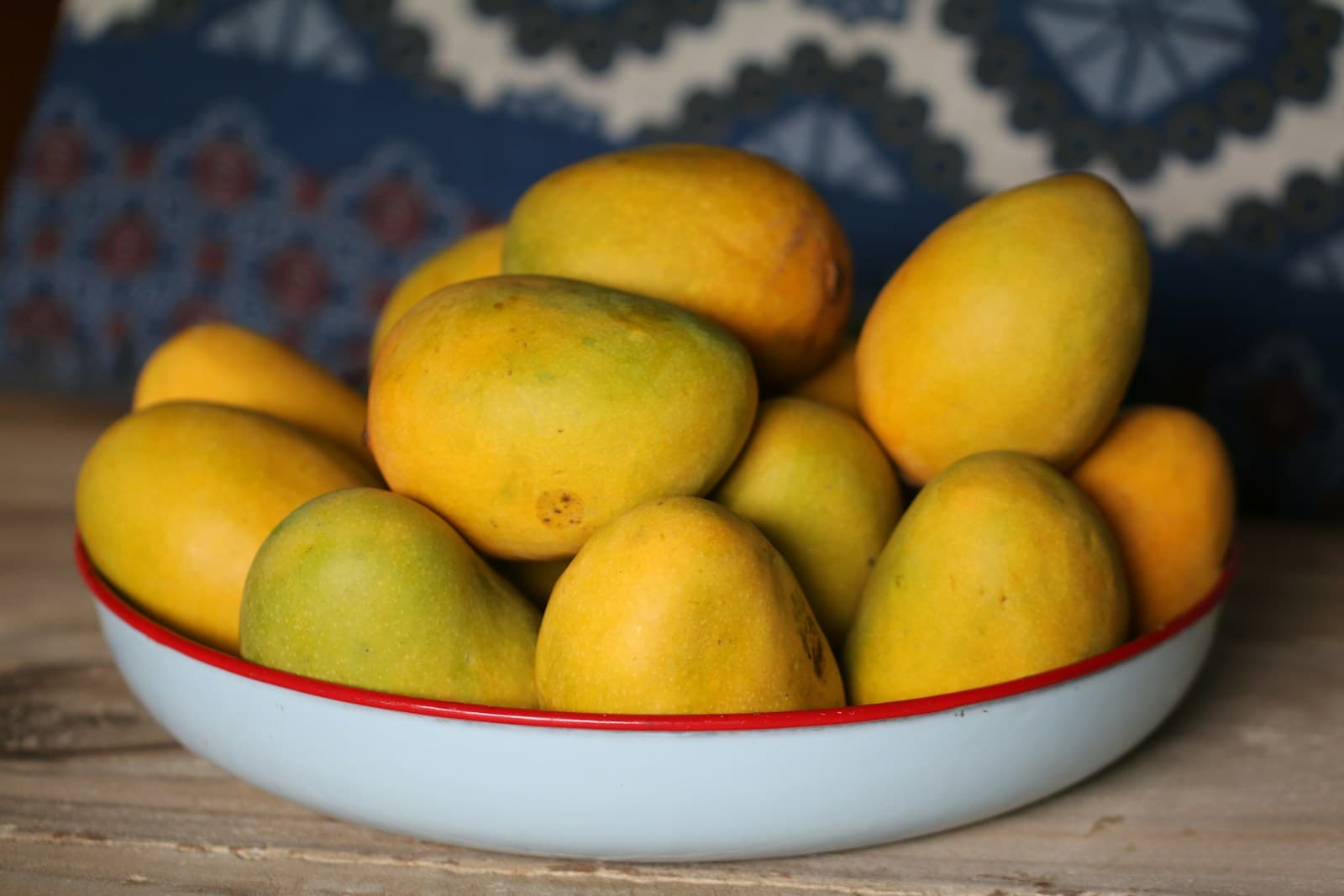
| Color | Uniform yellow | Patchy, gradient |
| Aroma | None or chemical | Strong, floral |
| Skin | Firm, waxy | Soft, natural |
| Taste | Flat, sometimes bitter | Complex, honey-sweet |
| Shelf life | Rots quickly | Lasts 4-5 days |
The Aamrit Way: Traditional Straw-Cradle Ripening
Our ripening method hasn't changed in 100 years. Here's exactly what we do:
Step 1: Harvest at Peak Maturity
We pick mangoes when they're "mature green" — physiologically ready to ripen but still firm. This happens 100-110 days after flowering, usually in late April.
Step 2: The Straw Cradle
Each mango is placed in a wooden crate lined with rice straw. The straw:
- Cushions the fruit (no bruising)
- Absorbs excess moisture
- Creates a microclimate for even ripening
- Allows natural ethylene gas to circulate
Step 3: 5-7 Days of Patience
The mangoes sit in a cool, well-ventilated room (not refrigerated) for 5-7 days. Our farm team inspects them daily, removing any that show signs of damage.
Step 4: The Aroma Test
We know a mango is ready when you can smell it from across the room. That intoxicating floral fragrance? It only develops during natural ripening.
Why Natural Ripening Tastes Better
During natural ripening, the mango undergoes a complex biochemical transformation:
- Starch converts to sugar — creating sweetness
- Acids break down — removing tartness
- Aromatic compounds form — creating the signature fragrance
- Pectin softens — creating buttery texture
- Carotenoids develop — creating the golden color
Carbide ripening forces the color change and softening but skips the flavor development. That's why artificially ripened mangoes look ripe but taste disappointing.
The Economics of Doing It Right
Natural ripening costs us 30% more than carbide would:
- We need more storage space
- We hold inventory for 5-7 days instead of overnight
- We lose some fruit to natural spoilage
- We can't buy unripe fruit cheaply from auctions
But here's the thing: we're not in the business of selling yellow fruit. We're in the business of selling the Alphonso experience — and that experience only comes from mangoes ripened the way nature intended.
How to Ensure You're Getting Naturally Ripened Mangoes
- Buy from traceable sources — If they can't tell you which farm, be suspicious
- Use the aroma test — Real ripe Alphonso smells incredible
- Check the color — Natural ripening creates uneven coloring
- Ask about the process — Legitimate sellers are proud of their methods
- Pay fair prices — Quality natural ripening can't be done cheaply
Our Promise
Every mango from Aamrit is:
- ✅ Ripened naturally in straw-lined crates
- ✅ Never touched by carbide, ethylene gas, or any chemical
- ✅ Traceable to our farms in Ratnagiri and Raigad
- ✅ Inspected daily by our farm team
- ✅ Dispatched within 24 hours of reaching optimal ripeness
The 5-7 day wait is worth it. Your health is worth it. And trust us — the taste difference is worth it.
Experience the difference of naturally ripened Alphonso. Order from our farm and taste what mangoes are supposed to taste like.
Filed under
carbide ripening mango · natural mango ripening · calcium carbide dangers · straw ripening method · healthy mango
From our orchards
Taste the real Alphonso.
Farm-fresh, naturally ripened, delivered across India. Every mango traceable to our 22,000 trees in Ratnagiri & Raigad.
Visit the shop